Beyond the Plate: Uzbek Restaurant Staples You Need from Naperville
Have you ever savored the rich, aromatic flavors of Uzbek cuisine and wished you could bring that culinary magic into your own home? At Naperville Fresh Market, located conveniently at 955 W 75th St, we make that dream a delicious reality. While our in-store Jibek Jolu Uzbek Restaurant offers an incredible dining experience, we believe the heart of authentic cooking lies in having the right ingredients. This guide goes beyond simply eating at an Uzbek Restaurant; it's about equipping your pantry with the fundamental items that define this vibrant Central Asian gastronomy.
The Essence of Uzbek Cuisine: More Than Just Rice
When most people think of Uzbek food, Plov (or Palov) often comes to mind – a savory rice dish with meat and carrots. While Plov is undoubtedly the national dish and a cornerstone of any Uzbek Restaurant menu, the cuisine's depth extends far beyond. It’s a tapestry woven with robust spices, fresh vegetables, tender meats, and unique dairy products, reflecting a rich history at the crossroads of ancient trade routes. Understanding these core components is your first step to unlocking true Uzbek flavors.
Spices: The Soul of Uzbek Cooking
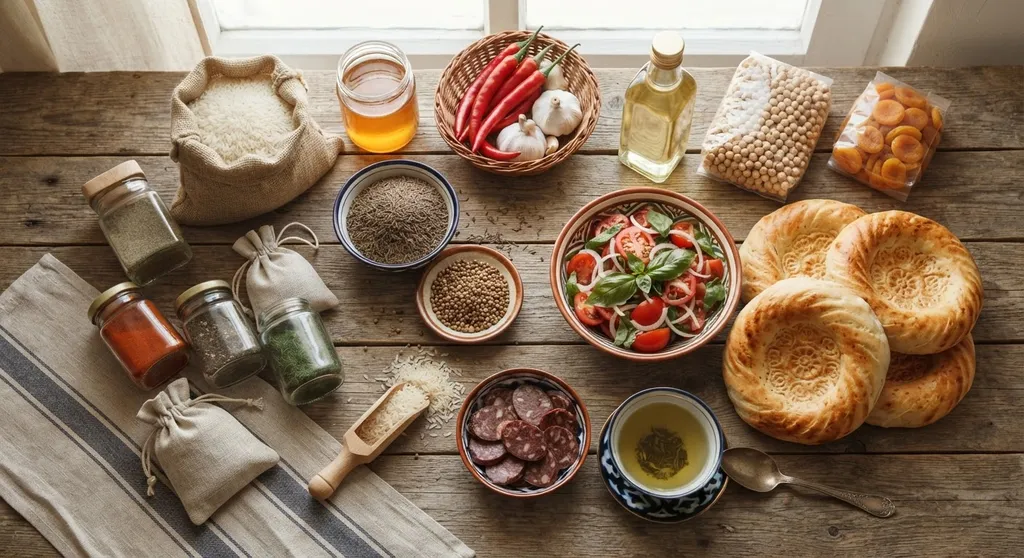
No Uzbek dish, whether from a bustling street market or a refined Uzbek Restaurant, is complete without its characteristic blend of spices. These aren't just flavor enhancers; they are storytellers, each contributing to the narrative of the dish. Our international aisles at Naperville Fresh Market are a treasure trove for these essentials.
Cumin (Zira): This is arguably the most critical spice in Uzbek cuisine. Its earthy, warm, and slightly bitter notes are indispensable for Plov, Samsa, and various meat dishes. Look for whole cumin seeds, as grinding them fresh yields the most potent aroma.
Coriander (Kashnich): Both seeds and fresh cilantro are widely used. Ground coriander seeds offer a citrusy, slightly peppery flavor crucial for marinades and stews, while fresh cilantro brightens salads and garnishes.
Barberries (Zirinc): These small, tart berries add a delightful tangy counterpoint to rich dishes like Plov, cutting through the fattiness and adding visual appeal. They are often found dried.
Saffron (Za'faron): While more expensive, a pinch of saffron can lend a luxurious aroma and golden hue, particularly to festive Plovs or specific rice preparations. It's used sparingly but effectively.
Grains and Legumes: The Hearty Foundation
Beyond rice, other grains and legumes play a vital role in Uzbek culinary traditions. They provide substance, texture, and nutritional value to many beloved dishes, often forming the base of a meal that you might find served at an authentic Uzbek Restaurant.
- Rice (Gruch): Long-grain varieties like 'Devzira' are preferred for Plov, known for their ability to absorb flavor without becoming mushy. Our produce section often carries specialized rice types.
- Chickpeas (Nokhot): Used in various stews and sometimes added to Plov, chickpeas add a nutty flavor and hearty texture.
- Mung Beans (Mosh): These small green beans are integral to dishes like Moshkichiri and Moshkhurda, offering a unique earthy taste and creamy texture.
- Flour (Un): Essential for making Lagman noodles, Samsa dough, and various breads like Non. We carry high-quality flours perfect for traditional baking.
- Lentils (Yasmiq): While less common than chickpeas or mung beans, lentils appear in some regional Uzbek dishes, particularly soups and stews.
Dairy and Fats: Richness and Tang
Dairy products, especially yogurt and sour milk, are not just accompaniments but fundamental ingredients in many Uzbek dishes. They offer tanginess and creamy texture, often served alongside spicy or savory main courses.
Yogurt (Qatiq): A staple, used as a condiment, in soups like Chalop, and as a base for marinades. Our dairy section offers a variety of plain yogurts perfect for this.
Kurt: Dried, salty balls of strained yogurt, often enjoyed as a snack or dissolved in water to make a refreshing, tangy drink. Find this unique item in our international aisles.
Cottonseed Oil (Paxta Yogi): While vegetable oils are common, traditional Uzbek cooking, particularly Plov, often calls for cottonseed oil. It imparts a distinct flavor and is known for its high smoke point. Check our international cooking oils section.
Fresh Produce and Meats: The Foundation of Flavor
The freshest ingredients are paramount. Our produce section at Naperville Fresh Market is stocked daily with a wide array of vegetables crucial for Uzbek cooking.
Onions, Carrots, and Garlic: The holy trinity for almost every savory Uzbek dish. Onions form the base, carrots add sweetness and color to Plov, and garlic infuses everything with its pungent aroma. Our produce section has them all.
Tomatoes, Bell Peppers, and Cucumbers: Essential for fresh salads (Achichuk) and various stews, bringing vibrant freshness and acidity.
Lamb and Beef: These are the preferred meats in Uzbek cuisine. Our in-house halal butcher offers high-quality cuts perfect for Plov, shashlik, and stews. When you're thinking about recreating those delicious Uzbek Restaurant flavors at home, starting with excellent meat is key.
“The beauty of Uzbek cooking lies in its simplicity yet profound depth of flavor, born from a harmony of fresh ingredients and well-understood spices. It’s truly a cuisine of comfort and celebration.”
Beyond the Plate: Bringing it Home
Visiting our Jibek Jolu Uzbek Restaurant at Naperville Fresh Market is a delightful experience. But imagine bringing those same authentic aromas and tastes to your own dining table. With the right pantry staples, you can embark on your own culinary journey. Whether you're aiming to master Plov, whip up some Lagman noodles, or simply make a refreshing Achichuk salad, our vast selection across our international aisles, fresh produce, and halal butcher provides everything you need.
Next time you’re at 955 W 75th St, Naperville, exploring the unique offerings of Naperville Fresh Market, take a detour into the aisles. Stock up on these must-have Uzbek pantry staples. You'll not only enhance your cooking but also gain a deeper appreciation for the rich culinary heritage of Central Asia. Your kitchen is about to become your favorite Uzbek Restaurant!