Jibek Jolu: Uzbekistan's Rich Culinary Heritage at Our Naperville Fresh Market
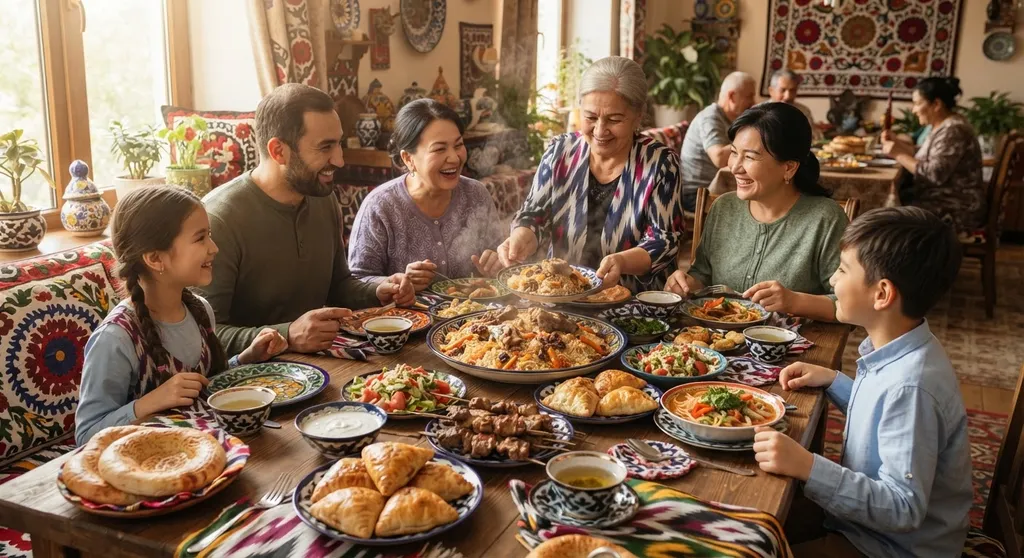
Nestled within the bustling aisles of Naperville Fresh Market at 955 W 75th St, Jibek Jolu isn't just an Uzbek restaurant; it's a vibrant portal to the heart of Central Asia. Beyond the enticing aromas and succulent flavors, Jibek Jolu offers a unique opportunity to connect with the rich tapestry of Uzbek culture, traditions, and the cherished celebrations that define this extraordinary cuisine. For many, Uzbek food evokes images of hearty Plov and flavorful kebabs, but to truly appreciate it is to understand the history and communal spirit woven into every dish.
The Soul of Uzbek Cuisine: A Culinary Crossroads
Uzbekistan, a landlocked nation at the crossroads of ancient trade routes, has long been a melting pot of civilizations. This strategic location along the Silk Road profoundly influenced its culinary identity. Traders, conquerors, and travelers introduced new ingredients, spices, and cooking techniques, which the Uzbek people skillfully adapted and made their own. The cuisine is a testament to resilience, resourcefulness, and a profound respect for agricultural bounty. Every dish tells a story of the land, the seasons, and the hands that prepared it.
Traditional Uzbek cooking often involves slow, meticulous preparation, reflecting a philosophy where food is not merely sustenance but an act of creation and hospitality. Ingredients are typically fresh, locally sourced, and seasonally appropriate. From the fertile Fergana Valley to the arid plains, each region contributes its unique touch to the national palate. This regional diversity, while subtle, is a hallmark of authentic Uzbek cuisine.
Traditions on a Plate: More Than Just Meals
Food in Uzbekistan is deeply intertwined with tradition and social rituals. Meals are almost always communal, fostering a sense of togetherness and shared experience. At Jibek Jolu, you’ll encounter dishes that embody these age-old customs:
- Plov (Palov): The undisputed king of Uzbek cuisine, often cooked in a large kazan (cauldron) over an open flame. It's a complex rice dish with lamb or beef, carrots, onions, and spices, often served as the centerpiece of celebrations and daily meals.
- Shashlik: Skewered and grilled marinated meats (lamb, beef, chicken), a staple at gatherings and a testament to Uzbekistan's nomadic past.
- Lagman: Hand-pulled noodles, served in a rich broth with meat and vegetables, reflecting Central Asia's historical ties to Chinese culinary traditions.
- Manti: Steamed dumplings filled with seasoned ground meat and onions, a beloved comfort food found across the region.
- Samsa: Baked pastries, often triangular, filled with savory meat or pumpkin, perfect for a quick bite or part of a larger spread.
- Non (Bread): A revered staple, often baked in a tandoor oven, and never placed face down. It represents prosperity and life.
The preparation and consumption of these dishes are often accompanied by specific etiquette and gestures of hospitality, emphasizing respect for elders and guests. Even the way tea is poured and served holds significant cultural meaning. When you visit our Uzbek restaurant, Jibek Jolu, you're experiencing a taste of these profound traditions.
Celebrations and Feasts: A Culinary Kaleidoscope
Uzbek culture is rich with celebrations, and food plays an absolutely central role in every festivity. From national holidays to family gatherings, the table groans under the weight of delicious dishes. Navruz, the Persian New Year celebrated in spring, is a particularly significant event. Families prepare elaborate spreads, with Sumalak (a sweet paste made from sprouted wheat) being a key dish, symbolizing rebirth and renewal.
Weddings are grand affairs, often lasting several days, with hundreds of guests. The wedding Plov, specially prepared by master chefs (Oshpaz), is legendary and often served early in the morning to large crowds. Birthdays, religious holidays like Eid al-Fitr and Eid al-Adha, and even simple family reunions are occasions for abundant food, lively conversation, and heartfelt hospitality. These celebrations reinforce community bonds and pass down culinary knowledge through generations.
The Essence of Uzbek Hospitality
Hospitality (mekhmondo'stlik) is a cornerstone of Uzbek culture. Guests are considered a gift from God, and no effort is spared to make them feel welcome and honored. This extends from offering the best seat at the table to serving the finest food and tea. Every interaction at an Uzbek home or, indeed, an authentic Uzbek restaurant, is imbued with this spirit of generosity and warmth. At Jibek Jolu, we strive to bring this authentic experience to our customers.
“In Uzbekistan, a guest is considered more sacred than one's father. Hospitality is not just a custom; it’s a way of life that deeply influences our cuisine and how we share it.”
Experience the Culture at Naperville Fresh Market
We invite you to step into Jibek Jolu at Naperville Fresh Market, located conveniently at 955 W 75th St, Naperville, IL, and immerse yourself in the flavors and traditions of Uzbekistan. Our Uzbek restaurant is more than just a place to eat; it's a cultural journey. Each dish prepared by our talented chefs carries the legacy of centuries-old traditions, reflecting the warmth, generosity, and rich history of the Uzbek people.
Whether you're curious about Central Asian cuisine, longing for the tastes of home, or simply looking for a unique dining experience, Jibek Jolu offers an authentic slice of Uzbekistan right here in Naperville. Come and discover why the food of Uzbekistan is celebrated not just for its taste, but for the profound culture, enduring traditions, and joyous celebrations it represents.