Russian Food & Grocery: Flavors, Traditions & Culture
The vast landscape of Russian cuisine is more than just a collection of recipes; it is a tapestry woven from centuries of history, diverse geography, and the endurance of spirit. At Naperville Fresh Market, located conveniently at 955 W 75th St, we understand that Russian Food & Grocery shopping is a bridge to heritage for many in the Naperville community. Whether you are seeking the comforting tang of fermented vegetables or the delicate crumb of a rye loaf, understanding the cultural roots of these items deepens the appreciation for every bite.
The Historical Foundations of Slavic Cooking
Deeply rooted in the agrarian lifestyle of the Russian countryside, the traditional diet was historically shaped by thePecha, or the large brick oven found in every home. These ovens were designed to retain heat for hours, leading to the development of slow-cooked stews, roasted grains, and breads that define the Russian Food & Grocery experience today. Because of the long, harsh winters, preservation became an art form. This necessity birthed a sophisticated culture of pickling, salting, and fermenting that remains a staple of the modern pantry.
The Art of the Zakuska Table
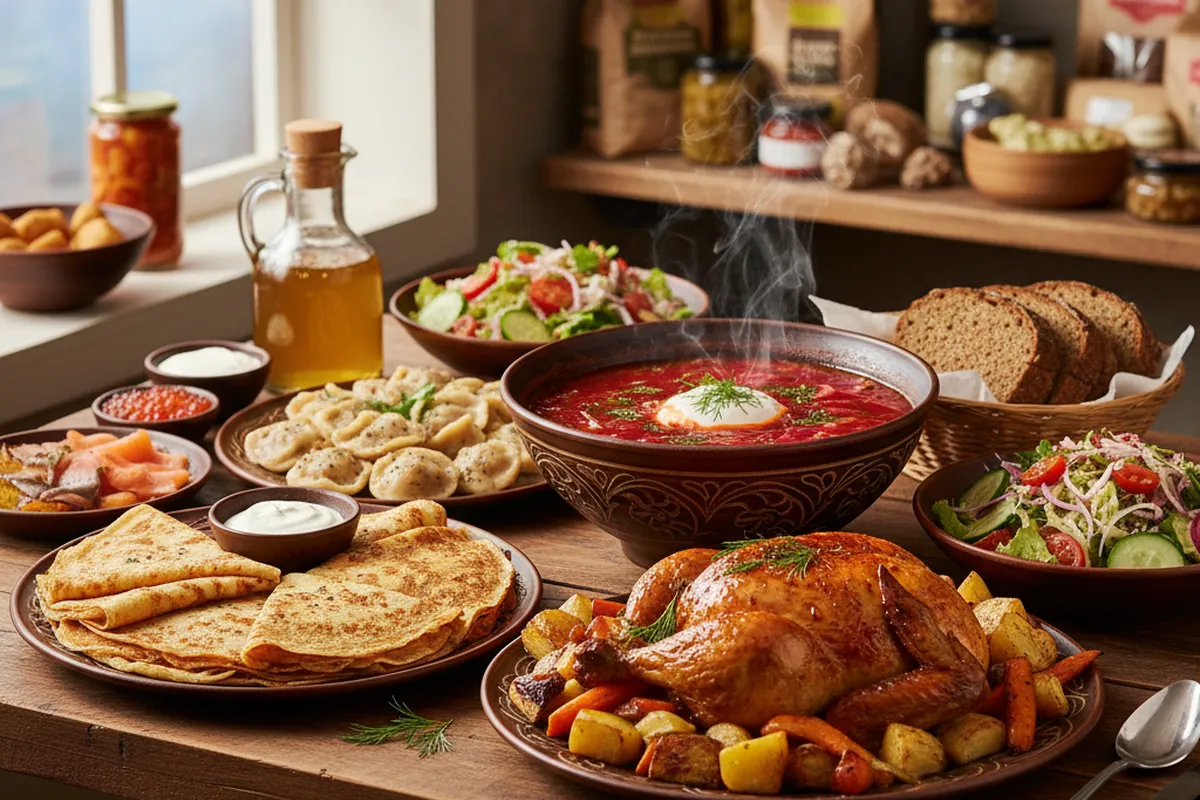
One cannot discuss Russian culinary culture without mentioning the Zakuska table. This tradition of small appetizers served before a main meal is a hallmark of Russian hospitality. It showcases the breadth of the Russian Food & Grocery aisle, featuring everything from cold cuts and cured fish to marinated mushrooms and Olivier salad. It is an invitation to slow down and enjoy the company of others, a value we hold dear at our international market in Naperville.
The Importance of Fermentation and Preservation
Fermentation is the functional heart of Russian cooking. Soups like Shchi and Borsch often rely on the acidity of fermented cabbage or beet kvass to provide their signature depth of flavor. These techniques were originally developed to ensure the availability of vitamins during the snow-covered months. Today, shoppers visit Naperville Fresh Market specifically for these probiotic-rich foods, including authentic kefir and jars of crisp pickled cucumbers, which are as healthy as they are culturally significant.
Essential Staples for an Authentic Russian Kitchen
- Smetana: A thick, rich sour cream used as a garnish for almost every savory dish.
- Kasha: Buckwheat groats that serve as a fundamental, nutritious grain staple.
- Pelmeni: Traditional meat-filled dumplings often served with butter or vinegar.
- Tvorog: A versatile farmer's cheese used in both savory crepes and sweet desserts.
- Black Bread: Dense, aromatic rye bread that is considered the soul of the table.
Tea Culture and the Russian Soul
Tea is not merely a drink in Russia; it is a social ritual. Historically centered around the samovar, tea drinking is a time for conversation and reflection. When browsing the Russian Food & Grocery section, you will find an array of loose-leaf teas and the necessary accompaniments, such as hardware candy, jam to be stirred into the cup, or honey. This focus on warmth and gathering is reflected in our own bakery and cafe spaces, where we celebrate global traditions every day.
In the Russian tradition, bread is not just food; it is a symbol of life, hospitality, and the enduring connection between the land and the people.
Modern Russian Flavors in Naperville
Today, Russian Food & Grocery trends are evolving, blending traditional methods with modern health-conscious choices. At Naperville Fresh Market, we curate a selection that respects these ancient traditions while providing the high-quality ingredients demanded by today's home cooks. From our premium butcher shop to the specialized aisles of our grocery store, we invite you to explore the flavors of Eastern Europe right here in Naperville. Discovering these ingredients is a journey through history that nourishes both the body and the soul.