Uzbek Restaurant Culture: Central Asian Hospitality & Cuisine
In the heart of Central Asia, hospitality is more than a simple gesture; it is a fundamental pillar of national identity. This ancestral philosophy dictates that a guest is a gift from the heavens, deserving of the most comfortable seat and the most abundance on the table. When you step into an Uzbek restaurant, you are not merely entering a place of business, but rather an extension of a traditional home where centuries-old customs dictate every interaction. At Naperville Fresh Market, we bring this profound cultural heritage to our community through Jibek Jolu, offering an immersive experience that reflects the true spirit of the Silk Road.
The Sacred Tradition of the Dastarkhan
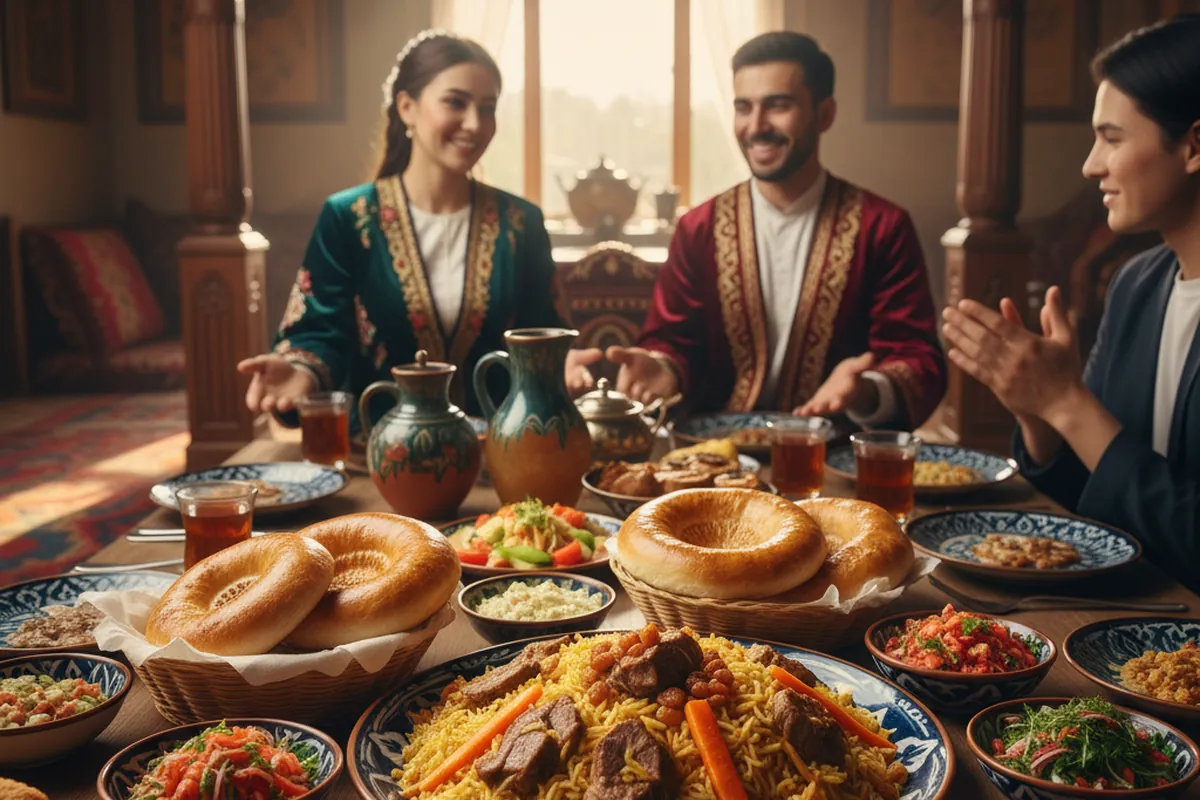
Central to the experience of a traditional Uzbek restaurant is the concept of the Dastarkhan. This term refers to the spread of food laid out on a table, but it also encompasses the etiquette and social norms surrounding the meal. In Uzbekistan, life revolves around these gatherings where families and travelers alike share stories over steaming pots of tea. The arrangement of dishes is purposeful, intended to signify abundance and respect for those present. This atmosphere of generosity is precisely what we strive to recreate in Naperville, ensuring that every patron feels the weight of this noble tradition from the moment they are seated.
Plov: The Soul of Central Asian Cuisine
No discussion of an Uzbek restaurant would be complete without mentioning Plov, the legendary rice pilaf that serves as the national dish of Uzbekistan. This complex masterpiece of culinary engineering combines tender Halal meat, long-grain rice, carrots, and onions, all seasoned with a proprietary blend of cumin and barberries. Plov is often cooked in large cast-iron cauldrons known as kazans, a method that allows the flavors to meld perfectly. It is a dish that symbolizes unity and is traditionally served during major life milestones, signifying that the meal being shared is one of great importance and shared triumph.
Bread and Tea: Essential Symbols of Welcome
In Uzbek culture, bread is considered holy. Known as 'non' or 'lepyoshka,' these circular flatbreads are baked in clay tandoor ovens and are often stamped with beautiful geometric patterns. It is customary never to place bread upside down or use a knife to cut it; instead, it is torn by hand as a gesture of sincerity. Accompanying the bread is always green or black tea, served in ceramic bowls called pialas. The host will often pour the tea three times into the bowl and back into the pot to fully develop the flavor, an act of service that underlines the meticulous care inherent in Central Asian hospitality.
- Samsa: Flaky pastries filled with seasoned meat and onions, baked in a traditional tandoor.
- Lagman: Hand-pulled noodles served in a rich meat and vegetable broth infused with star anise.
- Manti: Delicate steamed dumplings filled with spiced beef or lamb, often garnished with yogurt.
- Shashlik: Perfectly marinated skewers of meat grilled over natural wood charcoal for a smoky finish.
- Chak-Chak: A sweet honey-drenched dessert that provides the perfect finale to a savory feast.
A Community Hub at Naperville Fresh Market
Located at 955 W 75th St, Naperville Fresh Market serves as a unique cultural crossroads. By hosting Jibek Jolu, we provide more than just an Uzbek restaurant experience; we offer a gateway to a different world. Our market combines a full-service halal butcher and international grocery aisles with specialized dining, allowing shoppers to explore global ingredients before enjoying a prepared meal. This integration ensures that the authenticity of the cuisine is maintained, as the chefs have immediate access to the high-quality produce and spices required to execute these complex recipes with precision.
The beauty of Central Asian culture lies in the belief that the guest's satisfaction is the host's greatest honor, making every meal a celebration of human connection.
The Sensory Experience of the Silk Road
Dining at a high-quality Uzbek restaurant is a multi-sensory journey. From the aromatic scent of cumin and woodsmoke to the vibrant patterns of 'atlas' silk decor, every element is designed to transport the diner. In Naperville, this provides a much-needed escape from the routine, offering a space where time slows down and the focus shifts to the quality of the food and the company. We invite you to explore these rich flavors and discover why the hospitality of Central Asia is celebrated worldwide as some of the most genuine and heartwarming in the culinary landscape.